1701997486-59yAsJgiwFATtIt5j7vc4

Where Are the Other Nine?

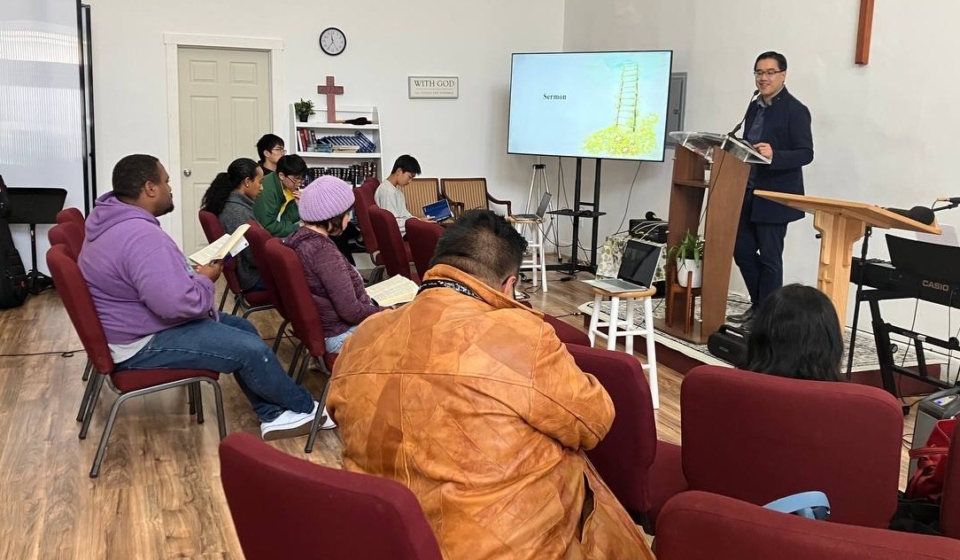
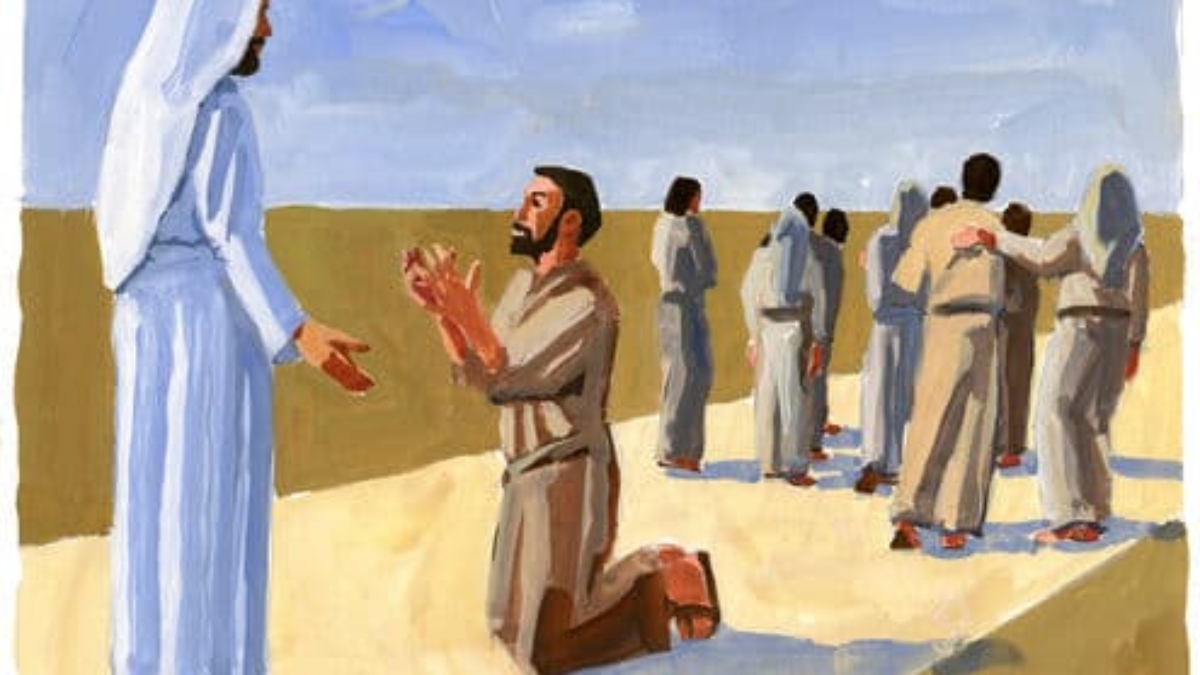
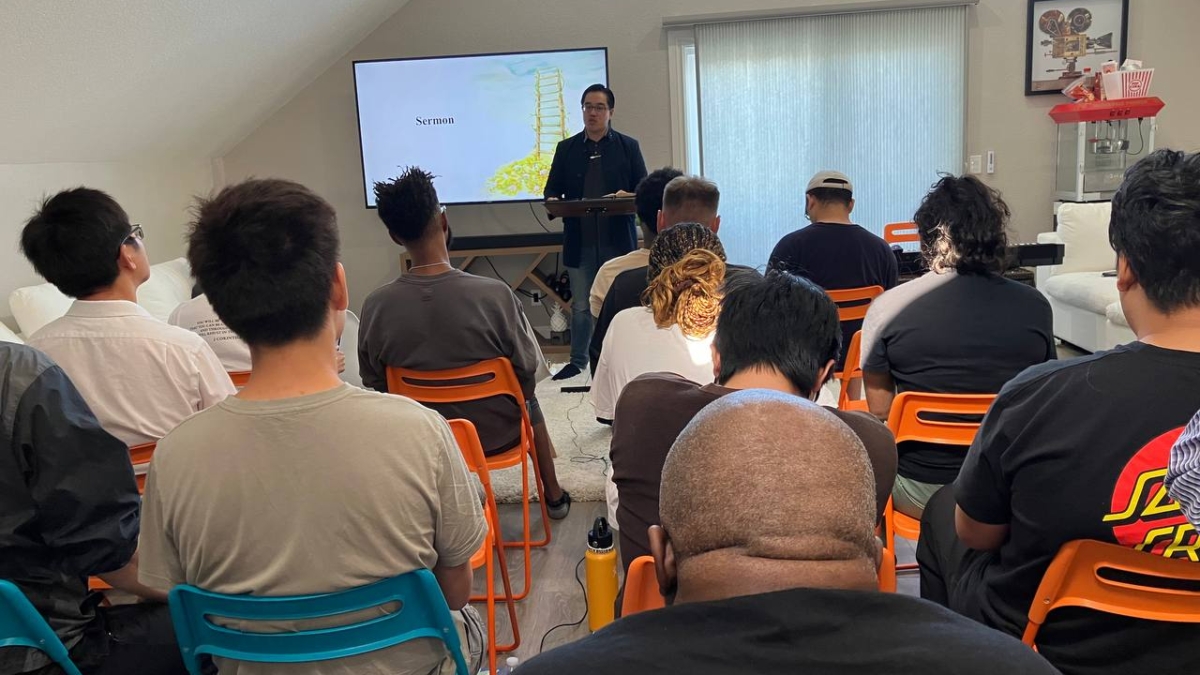
In the sermon, Pastor Walker explained that Jesus was going through a region usually avoided by Jews, due to their disdain for Samaritans. This sets the stage for a significant event that underscores themes of inclusivity, love, and redemption. In this passage, Jesus encounters ten lepers, who are not only suffering from a physical ailment but also represent the spiritual and societal isolation akin to sin. This interaction goes beyond mere physical healing; it symbolizes Jesus’ outreach to all humanity afflicted by the ‘leprosy’ of sin. The plight of the lepers reflects the isolation and separation from God caused by sin, akin to living in a global leper colony. This section of the passage emphasizes the importance of recognizing one’s own spiritual sickness to seek and receive healing from Jesus, resonating in a world where physical proximity often masks underlying emotional and spiritual isolation.

As the passage progresses, the lepers’ plea to Jesus for healing becomes emblematic of a broader human predicament. Their request represents the humility and acknowledgment necessary for seeking salvation. This moment signifies a deeper understanding of spiritual needs and acknowledges that true healing, both in physical and spiritual forms, comes through faith in Jesus. The isolated state of the lepers parallels the pervasive loneliness in modern society, suggesting that spiritual leprosy is comparable to the emotional and social isolation prevalent today. This part of the passage extends the metaphor to loneliness as an incurable disease, highlighting the profound human need for Jesus’s healing and grace.

The passage culminates with a powerful demonstration of gratitude’s transformative power. While all ten lepers are physically healed, only the Samaritan returns to express gratitude, indicating true spiritual healing and salvation. His act of thanksgiving, more than a mere polite gesture, is a transformative expression of deep appreciation for Jesus’s love and sacrifice. It illustrates that true healing encompasses not only the physical aspect but also a transformation of the heart, marked by genuine gratitude and a changed life. This gratitude is a vivid expression of faith and a testament to the transformative power of Jesus’ love and salvation.

Gratia Celebrates Thanksgiving with Grateful Heart

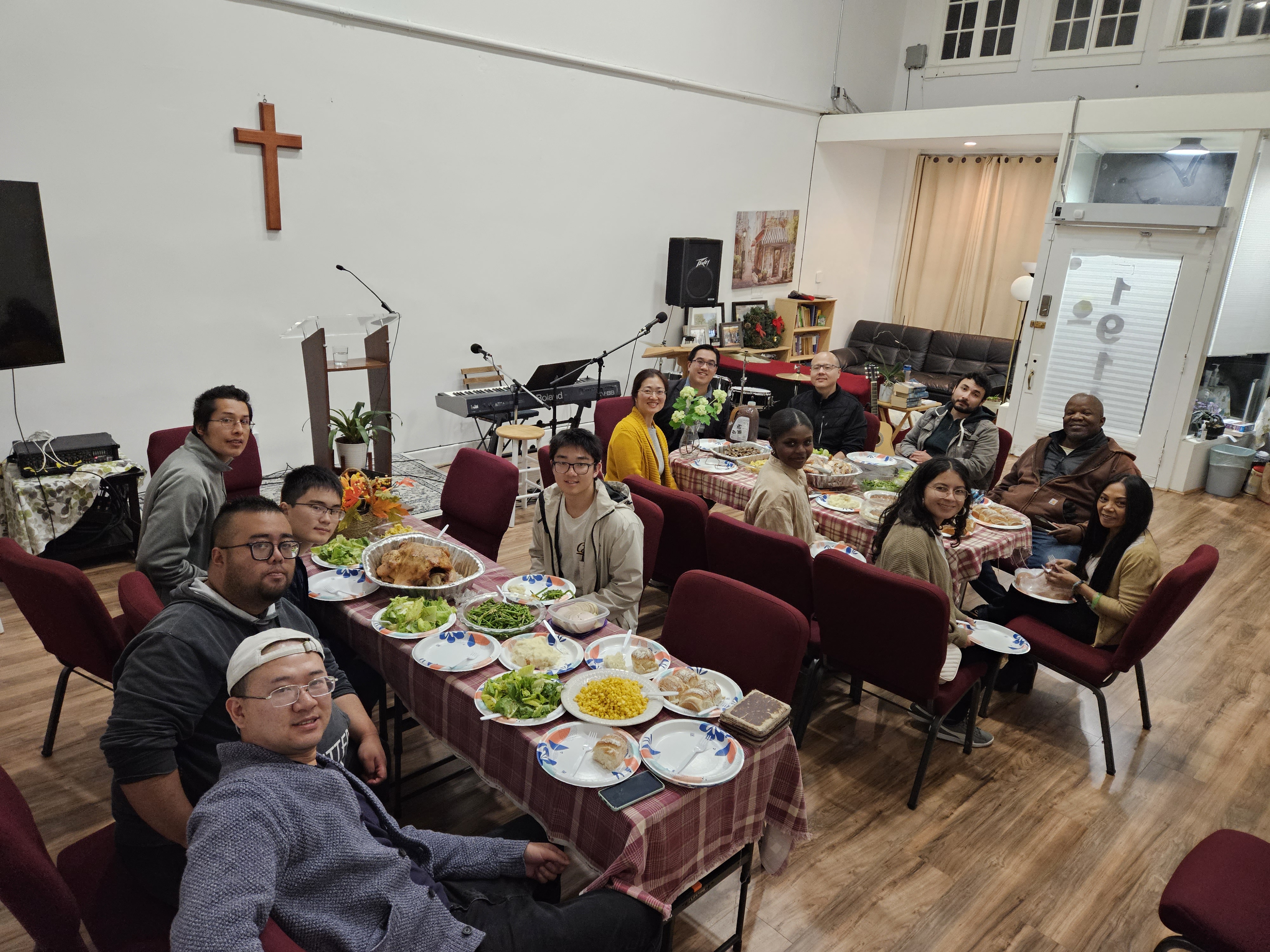
Gratia Church celebrated Thanksgiving with a grateful heart through a service and Thanksgiving dinner on November 21. Pastor Walker delivered a message from Psalms 100: “Enter his gates with thanksgiving and his courts with praise; give thanks to him and praise his name.” Members brought delicious food, fostering a sense of unity and enjoyment during the fellowship meal. It was a wonderful time for everyone to reflect on God’s grace and express full thanksgiving. May God’s grace continue to be with us in the coming years, and may joy overflow in our hearts with gratitude.

main-qimg-ce181a8a6cce255a65a8f44406bdf8b7-lq

The Prayer of Elijah

In the sermon, Pastor Walker explained that the great prophet Elijah stands as an example the effectiveness of powerful prayer, exemplifying a profound connection with God that we too can strive to emulate. His confrontation with King Ahab and the prophets of Baal is a pivotal moment, revealing the stark contrast between the worship of false idols and the true God. As Elijah challenges the people to choose between the allure of temporal satisfaction and the eternal God, the story speaks to contemporary times where similar distractions persist. The fire from heaven that consumed Elijah’s sacrifice is more than a miraculous display; it symbolizes the purifying truth of God’s word, which has the power to burn away the idols of our time, be it greed, lust, or materialism. This narrative calls for introspection and a decision: to continue wavering or to commit to the path of righteousness, where the Lord’s truth reigns supreme.

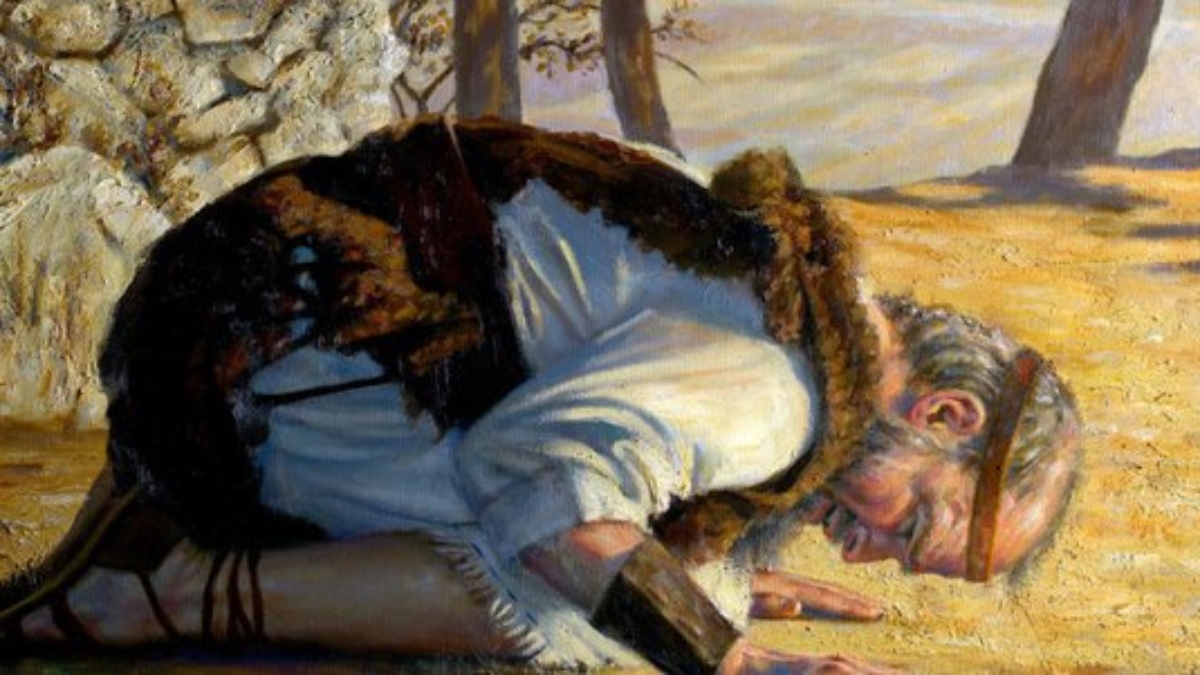
Elijah’s faith was not merely reflective but actionable. He senses the impending end of the drought and prepares for the rain he believes God will provide. His prayer posture, earnest and humble, is one of complete submission to God’s will. This account illustrates that a person of faith possesses a spiritual sensitivity, an awareness of God’s workings that transcends the physical and the immediate. Just as Elijah did, believers are called to prepare for the blessings God will bestow, a task that often requires persistence and a heart attuned to the divine. In a world that seeks tangible proof for every claim, the story of Elijah beckons us to a higher standard, where faith is the evidence of things not seen, and prayer is the means through which divine plans are realized.

Elijah’s persistent prayer for rain, sending his servant seven times to look for a cloud, underscores the virtue of perseverance in faith. This persistence is reflective of a heart that truly seeks God, understanding that His timing and methods are beyond human comprehension. The eventual downpour from a small cloud is a testament to the potential of faith that perseveres. This passage invites believers to maintain hope and optimism, even when the beginnings are as small as a mustard seed. It’s a call to believe in a God who sees the potential for great storms in the smallest of clouds, a God who envisions a grand future for even the humblest of His followers.

Elijah’s prayer was effective and righteous, and through his example, we are encouraged to lean into the Holy Spirit, allowing it to intercede in our weaknesses, to transform our small beginnings into abundant blessings.

20231112_122459

Gratia Sunday Service: The 7000 Who Have Not Bowed Down to Baal

On November 12, 2023, Gratia Church held a graceful Sunday service, full of God’s word, praise, worship, and fellowship. The sermon delivered by Pastor Walker Tzeng, was on 1 Kings 19:1-21 entitled “The 7000 who have not bowed down to Baal”.

In the sermon, Pastor Walker spoke about the tumultuous time for the nation of Israel, divided and led astray by depraved secular kings and rampant idolatry. Amidst this time, Elijah stood as a beacon of prophetic truth. His solitary struggle against the wicked Queen Jezebel, who championed the worship of Baal, highlights a profound spiritual crisis. Elijah, chased into the wilderness, epitomizes the isolation and despair that can afflict even the most righteous. His experience underscores the reality that spiritual crises are not just physical but deeply emotional and psychological. It’s a stark reminder of the loneliness that can come from standing for truth and righteousness in a world that seems indifferent or even hostile.

Elijah’s moment of utter desolation under the broom bush, or Rodem Tree, becomes a pivotal point of divine intervention. The angelic provision of sustenance symbolizes more than mere physical nourishment; it represents a spiritual rejuvenation. This episode teaches that in moments of deepest despair, God’s presence is profoundly transformative. It’s a reminder that in our own journeys, when we walk righteously yet fall into despair, it is the grace of God that sustains and renews us. The journey to Mount Horeb, echoing Moses’ own pilgrimage, signifies a return to the foundations of faith, a reminder that God’s grace is often most apparent in our most desperate moments.

The story of Elijah culminates in the revelation at Mount Horeb, where God’s voice emerges not in grand displays of power but in a gentle whisper. This teaches the importance of cultivating a quiet and receptive heart, attuned to the subtle yet profound ways in which God communicates. The message extends further, revealing that Elijah is not alone in his faithfulness; there are 7000 others who have not bowed to Baal. This discovery highlights the existence of a faithful remnant, a group that remains steadfast amidst widespread idolatry and moral decay. The calling of Elisha, from plowing fields to prophetic ministry, exemplifies God’s power to transform and use the seemingly ordinary for extraordinary purposes.

Today’s message is one of hope and challenge, inviting us to be part of the transformative work of God in a world that desperately needs change, not by the power of the masses, but through the faithful few.

7photo_2023-10-08_22-13-40

Gratia Fall Retreat Full of Passion and Grace

Gratia Church held for the Fall Retreat from October 6-8, with special guests from Idaho Church. Members arrived on Friday night on October 6, with Brother Larry from Gratia preaching the opening service. He opened by speaking about God, which the Bible teaches us is love. He spoke from Luke 15 and the parable of the prodigal son to share this love. Brother Larry was full of passion and spoke with a fiery heart for his first ever retreat sermon.

Retreat attendees also enjoyed time of fellowship, praise, and playing game with one another. The evening also brought a talent show where many members showed their talents with songs, skits, and piano playing. Finally, Saturday ended with a prayer meeting full of grace, passion, and the presence of the Holy Spirit. 

Please pray for the Fall Retreat as it continues to its last day on Sunday. May members receive grace, a deeper relationship with God through Jesus Christ, and come to know God’s Kingdom deeply.

prayer of jabez

The Prayer of Jabez

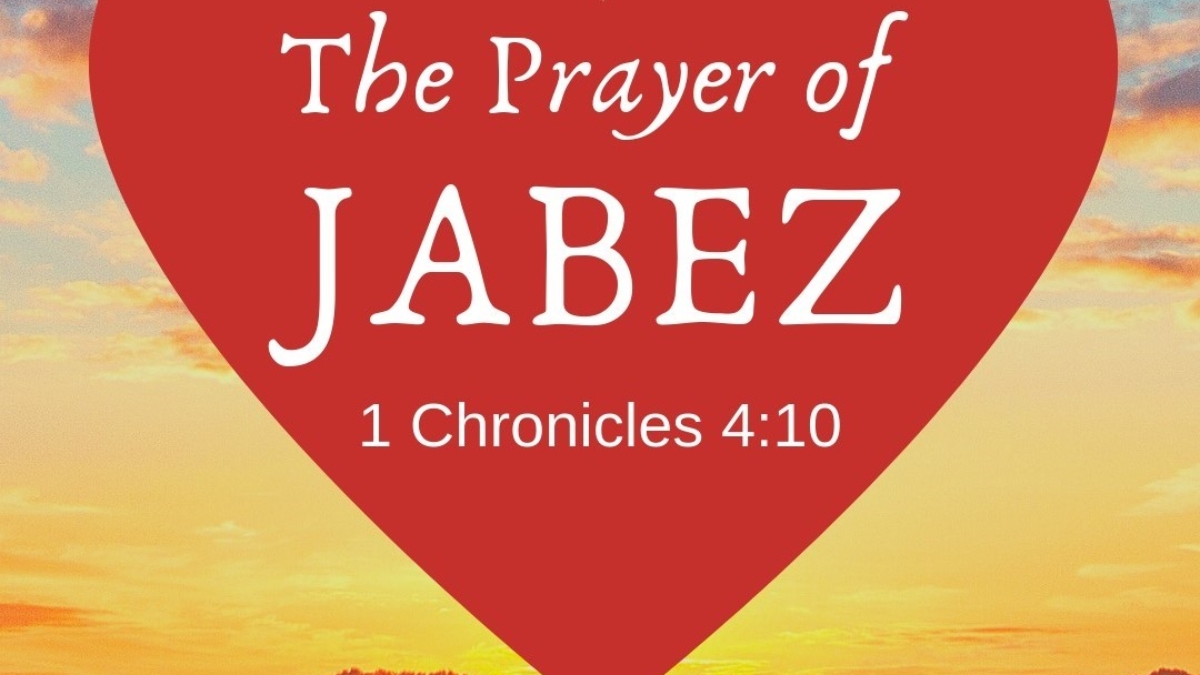
In the sermon, Pastor Walker dove into the obscure genealogy within 1 Chronicles 4:9-10, where we discover the remarkable Prayer of Jabez. This is a lesson found in one of the least-read books of the Bible, yet it’s a gem. We know little about Jabez himself, but what’s remarkable is that he is known more for what he prayed than what he did. The key to his honorable standing among his brothers and sons of Judah was faith – looking up to God, believing in His existence, and earnestly seeking His rewards. It’s time to rely on God, pray in faith, and embrace the special nature of the Prayer of Jabez.

The Prayer of Jabez opens our understanding to a life of honorable prayer and righteous faith. It’s about looking up to the great God of love, seeking His blessings, and trusting Him with our needs, desires, and struggles. We must recognize that true spiritual righteousness is in being weak and relying entirely on God. Jabez’s name signified a destiny of pain and suffering, but his faith found a way to overcome it. Luke 11:5-10 teaches us the secret and power of prayer in serving others with love and pain, getting ourselves out of our selfishness, and embracing the love that sets our hearts honorably before God. Praying with deep love and pain allows God’s unlimited blessings to flow into our lives.

In 1 Chronicles 4:10, we are reminded not to limit our prayers to our own boundaries but to trust in God’s desire to expand our territories for His glory. Jabez’s prayer wasn’t selfish; it was about the heart and God’s Kingdom. We must transcend our limits and ask God to make a great impact for His Will. Jabez also prayed for God’s hand to be with him and to keep him away from harm. We must recognize our weaknesses and humbly ask for the Holy Spirit’s guidance and protection from evil.

Especially for students who are embarking on a new school year, may the Prayer of Jabez inspire us to embed its words into our hearts, to pray earnestly for God to expand our boundaries, and to open ourselves to the abundant blessings that God, the Creator of this whole universe, wishes for us.

photo_2023-09-07_20-41-09

Young Members Grow Through Teaching Bible & Evangelism

The young members of Gratia are growing through teaching the Bible and evangelism. On September 7, Pastor Julia and Dany held campus evangelism at USF and made six contacts who are interested in Bible study, with one of them joining its afternoon Bible study. Dany was very happy to see that many of them responded very well today and felt the work of the Holy Spirit.

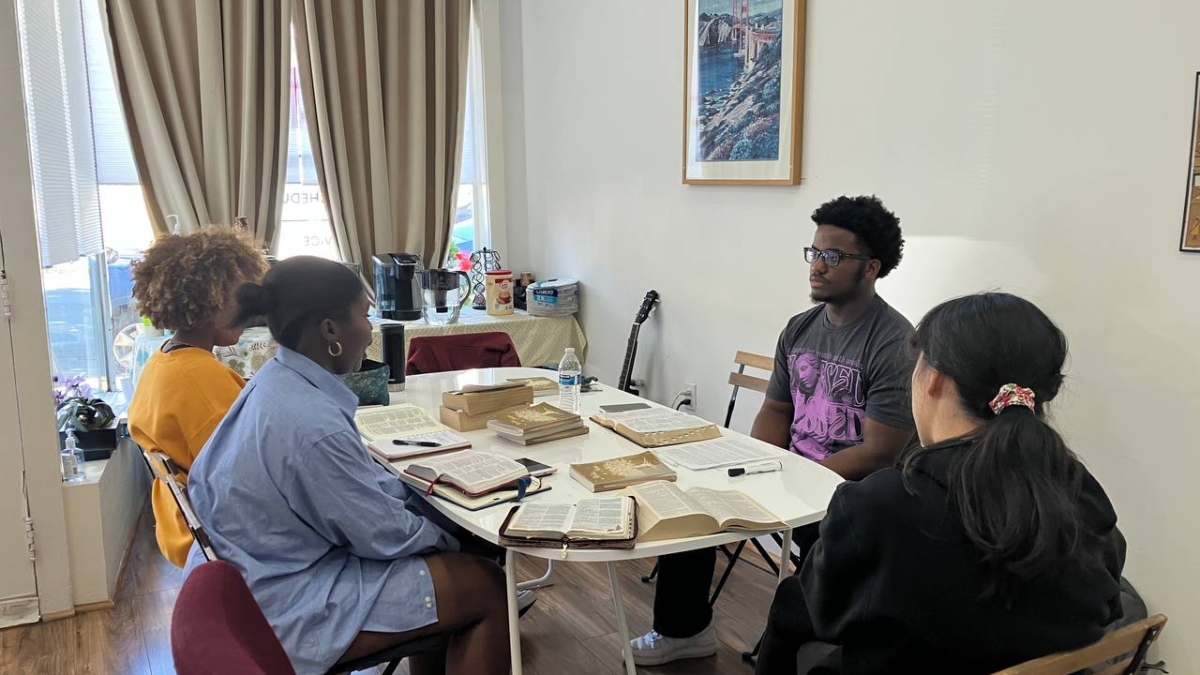
In the afternoon, brother Larry led the Bible study with 3 students and he felt that he was the one receiving more grace and strength through the teaching. He was very thankful that God sent these students who are ready to receive the Word of God. We pray that the Gratia mission continues to improve and brings revival to save many souls through these young leaders.

he-will-fight-for-us-12-9-option-2

Surely the Lord was Fighting for Israel

In the sermon, Pastor Walker spoke Joshua and the Israelites, under the threat of a combined force of five Amorite kings. News of their victories in Jericho and Ai, and the subsequent peace treaty with the Gibeonites, had spurred these kings into action against Israel. Yet, in the face of what seemed like insurmountable odds, Joshua remained unshaken. Why? His name, meaning “God is salvation,” echoed the core of his faith and the source of his strength. His conviction was rooted in God’s assurance that the victory was already theirs. Akin to us in our moments of trial, when spiritual, emotional, and financial battles seem to attack from all fronts, Joshua faced his opponents head-on. He marched his army all night, surprising the enemy forces, and stood firm in his belief that God’s promise of victory was immutable, unshakeable.

In the midst of this fierce battle, as daylight waned and the enemies began to regroup, Joshua boldly called upon the Lord for the unthinkable – to make the sun stand still in the sky. His faith was not confined to his understanding or the physical limitations of the world; it was centered on God, the transcendent One, capable of the extraordinary. When we, like Joshua, face challenges that seem to defy resolution, how often do we look within our sphere, trying to solve problems with our limited human capacities? Joshua teaches us to look beyond ourselves, to God – the source of all solutions. Miraculously, the sun did stop, giving the Israelites the time they needed to secure complete victory over their enemies.

Yet, the true miracle of this narrative lies not in the physical suspension of the sun, but in the underlying message of God’s transcendence and fidelity. It’s a lesson in faith – faith that goes beyond our abilities and perceived realities. The journey of Joshua teaches us that, regardless of the battles we face – the incessant whispers of doubt, the persistent trials, the sin that seems to resurface – victory is assured if we, like Joshua, place our faith in God. Just as the sun stopped for Joshua, God will provide us with the time, strength, and wisdom we need to overcome our trials.

As we confront the battles in our lives, may we, like Joshua, remember to look beyond ourselves and our limitations, to God, the One who truly fights for us and brings us victory.

photo_2023-09-22_15-49-54

Joshua 7-8:Achan’s Sin

In the sermon, Pastor Walker spoke about Achan’s sin, as narrated in the book of Joshua, and serves as a stark reminder of how our personal actions, however minor they may seem, can have far-reaching effects on our community, particularly the Church. Achan’s transgression was in the wake of the Israelites’ victory at Jericho. It’s important for us to reflect on our actions and their potential influence on the wider body of believers. We must also remember to surrender our missteps to God, opening ourselves up to the redeeming grace of Jesus Christ.

Achan’s sin was committed amidst the euphoria of victory, a moment when the Israelites had just experienced a significant triumph at Jericho. Achan, swayed by temptation, went against God’s command not to take spoils from Jericho, hiding some for himself. This seemingly minor disobedience resulted in a surprising defeat at Ai, the next battleground, shaking the Israelites’ confidence. God’s revelation to Joshua about Achan’s sin and the resulting consequences for the entire community highlights the significant impact of individual transgressions. Even when we bask in the glow of blessings and victory, we remain susceptible to pride, greed, and sin, which can cause harm beyond our immediate understanding. The tale of Achan urges us to maintain a constant, sincere alignment with God, particularly during good times.

The confession of Achan illuminates how a minor personal sin can drastically affect an entire community. Despite the relative insignificance of what Achan stole from Jericho, his actions led to the devastating defeat at Ai. His story serves as a sobering reminder that no sin is inconsequential in God’s eyes, and our actions can deeply affect those around us. This lesson is reiterated in the New Testament story of Ananias and Sapphira (Acts 5:1-11) whose deception led to their immediate death. These narratives call us to a life of transparency, obedience, and generosity, continually self-evaluating and seeking God’s grace. As we move forward, let us remember that we are not isolated believers, but part of a larger body – God’s family. Our actions and behaviors can have significant implications for this community.

Let’s strive to live transparently, always seeking forgiveness when we falter, and endeavoring to move forward in God’s grace.