photo_2026-03-24_18-54-17

Gratia Tuesday Online Bible Study Continues

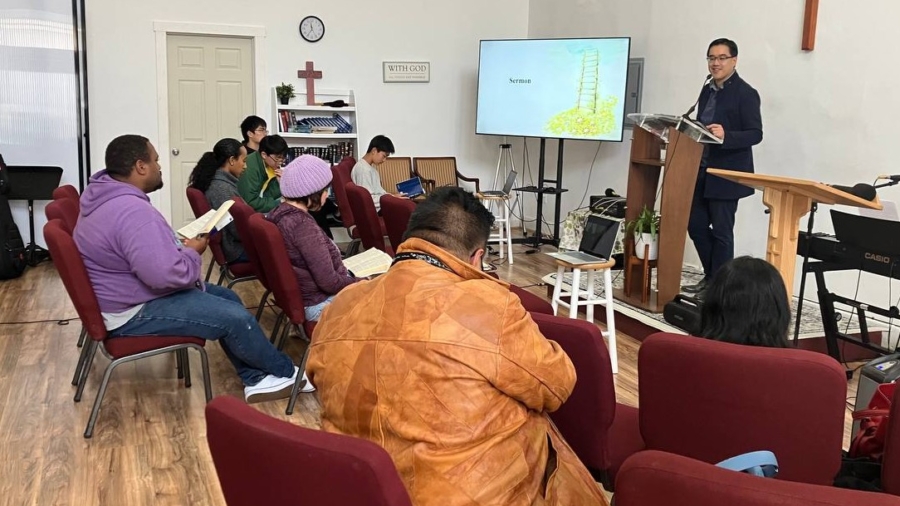
Gratia Church held a graceful and meaningful Tuesday Bible study on March 24, welcoming both regular attendees and a newcomer to the gathering. The study was led by Pastor Julia, who shared a message from Romans 3, focusing on the righteousness of God and the significance of faith in Jesus Christ.

The atmosphere was warm and engaging, creating a space where participants could reflect deeply on the Scripture and its relevance to their daily lives. The presence of a newcomer added a special joy to the fellowship, as the group was able to extend hospitality and share the message of the gospel together.

Throughout the study, attendees listened attentively, asked thoughtful questions, and encouraged one another in their faith. It was a time not only of learning but also of building community and strengthening spiritual connections. The evening concluded with a sense of gratitude for God’s Word and anticipation for continued growth through future Bible studies.

photo_2025-06-08_22-46-13

Sunday:The Power of God’s Love and Mercy

San Francisco Gratia Church held a graceful Sunday service on March 15. Pastor Walker delivered a message based on John 8 titled “The Power of God’s Love and Mercy.” Below is a summary of the message.

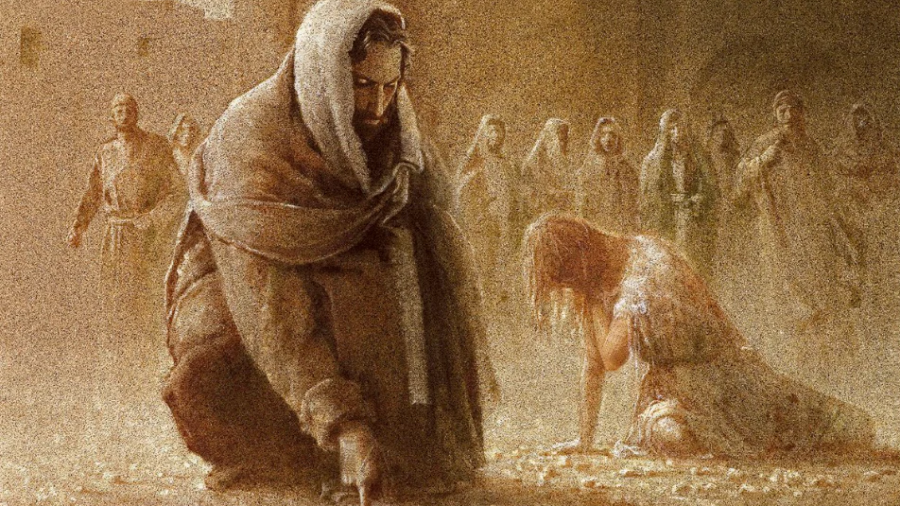
In John 8:1-11, the Pharisees bring a woman caught in adultery before Jesus, hoping to trap Him between the demands of the Law and the message of grace He preached. According to the Law, the punishment for adultery was stoning, so they expected Jesus to either reject the Law or condemn the woman. Instead, Jesus responds with profound wisdom: “Let the one who is without sin be the first to throw a stone.” One by one, the accusers leave. In this moment, Jesus resets the entire foundation of the conversation. The Law is not dismissed, but it is placed within a deeper reality-the truth that all people are sinners in need of grace. The Gospel reveals a wisdom far greater than the rigid judgments of the world, showing that while sin must be taken seriously, it must also be approached through the lens of God’s love and mercy.

When the crowd disappears, Jesus asks the woman, “Has no one condemned you?” and then says, “Neither do I condemn you.” This does not mean that her sin is ignored or excused, but that the punishment she deserved would ultimately be carried by Christ Himself on the cross. The Law exposes sin, but it cannot free us from it; only grace can do that. The cross reveals this mystery of the Gospel: sin is real and must be judged, yet God Himself takes that judgment upon Himself out of love for humanity. In this way, Jesus removes not only physical punishment but also the invisible stones of shame, humiliation, and self-condemnation that so often weigh down our hearts.

Finally, Jesus tells the woman, “Go now and leave your life of sin.” True faith is not built on fear or self-effort, but on receiving God’s unconditional love. Because we are no longer condemned, we are free to walk in a new life. Many people try to overcome sin through willpower alone, only to fall into cycles of guilt and self-punishment. But the Gospel teaches that transformation begins with grace. When we know that God already sees our sin and still loves us, our hearts open to a deeper relationship with Him. From that relationship flows the strength to leave sin behind and live in freedom. This story reminds us that the foundation of our faith is not our perfection, but the boundless mercy of Christ who calls us out of condemnation and into new life.

Screenshot_2023-07-18_at_12.39.55_PM_952x

Go Now and Leave Your Life of Sin

San Francisco Gratia Church held a graceful Sunday service on March 15. Pastor Walker delivered a message based on John 8 titled “The Power of God’s Love and Mercy.” Below is a summary of the message.

In John 8:1-11, the Pharisees bring a woman caught in adultery before Jesus, hoping to trap Him between the demands of the Law and the message of grace He preached. According to the Law, the punishment for adultery was stoning, so they expected Jesus to either reject the Law or condemn the woman. Instead, Jesus responds with profound wisdom: “Let the one who is without sin be the first to throw a stone.” One by one, the accusers leave. In this moment, Jesus resets the entire foundation of the conversation. The Law is not dismissed, but it is placed within a deeper reality-the truth that all people are sinners in need of grace. The Gospel reveals a wisdom far greater than the rigid judgments of the world, showing that while sin must be taken seriously, it must also be approached through the lens of God’s love and mercy.

When the crowd disappears, Jesus asks the woman, “Has no one condemned you?” and then says, “Neither do I condemn you.” This does not mean that her sin is ignored or excused, but that the punishment she deserved would ultimately be carried by Christ Himself on the cross. The Law exposes sin, but it cannot free us from it; only grace can do that. The cross reveals this mystery of the Gospel: sin is real and must be judged, yet God Himself takes that judgment upon Himself out of love for humanity. In this way, Jesus removes not only physical punishment but also the invisible stones of shame, humiliation, and self-condemnation that so often weigh down our hearts.

Finally, Jesus tells the woman, “Go now and leave your life of sin.” True faith is not built on fear or self-effort, but on receiving God’s unconditional love. Because we are no longer condemned, we are free to walk in a new life. Many people try to overcome sin through willpower alone, only to fall into cycles of guilt and self-punishment. But the Gospel teaches that transformation begins with grace. When we know that God already sees our sin and still loves us, our hearts open to a deeper relationship with Him. From that relationship flows the strength to leave sin behind and live in freedom. This story reminds us that the foundation of our faith is not our perfection, but the boundless mercy of Christ who calls us out of condemnation and into new life. .

God-created-man-in-his-own-image-300x300-1

The Image of God

San Francisco Gratia Community Church held a graceful Sunday service on March 8. Pastor Tzeng delivered a message titled “God’s Creation” based on Genesis 1. He shared that this will be the beginning of a sermon series on the book of Genesis. Below is a summary of today’s message.

Genesis 1 begins with the powerful truth that God created the universe out of nothing, forming the world with intention and beauty. At the climax of creation, humanity is made in God’s own image, male and female. This means that the deepest part of who we are is not simply our physical body or our intellect, but the spiritual imprint of God placed within us. Ecclesiastes says that God has set eternity in the human heart, reminding us that our lives are connected to something far greater than the visible world. Because we bear God’s image, understanding who God is helps us understand who we are. Scripture tells us clearly that God is love, and this love was revealed most fully through Jesus Christ, who came to the world and gave His life on the cross. Therefore, the meaning of our lives flows from this truth: we were created to receive God’s love and to reflect that love outward in the way we live.

Genesis also teaches that humanity was created “very good,” yet in the fallen world this original goodness often feels hidden. Sin, anxiety, selfishness, and brokenness cloud the image of God within us, much like a hazy mirror that no longer reflects clearly. The apostle Paul describes this condition by saying we now see only dimly, as if through a blurred reflection. When we look around the world today-filled with loneliness, addiction, anger, and despair-it becomes clear that humanity is living far from its original purpose. We were not created to live in constant confusion or emptiness. Rather, God created us to live in love, to know Him, and to reflect His goodness in the world. The tragedy of sin is that it covers over this identity, causing us to forget who we truly are.

Yet the message of the Gospel is that the image of God within us can be rediscovered and restored. Just as Simba in *The Lion King* eventually realizes that his father’s image lives within him and returns to his true calling, we too rediscover our identity when we encounter God again. We cannot find this purpose on our own or through the world’s distractions; it is revealed through Jesus Christ, who is the perfect image of God. As we listen to God’s Word, receive His grace, and enter into a personal relationship with Christ, the image of God within us becomes clearer again. This rediscovery gives our lives direction and meaning-not a purpose centered only on ourselves, but a purpose connected to God’s greater work of restoring His Kingdom in the world.


photo_2026-03-22_19-17-16

Gratia Church Joyful Fellowship with Youth Group

Gratia Church recently held a joyful and uplifting fellowship with its youth group, creating a meaningful time of connection, encouragement, and spiritual growth. The gathering brought together young members of the church in an atmosphere filled with warmth, laughter, and genuine fellowship.

During the event, the youth had the opportunity to spend time building relationships with one another through conversation, shared activities, and moments of reflection. It was not only a time of fun, but also a chance to strengthen their faith and be reminded of God’s presence in their daily lives.

The fellowship included a time of sharing and encouragement, where participants were able to express their thoughts and experiences. Through this, the group grew closer together, supporting one another and fostering a sense of unity within the church community.